- +255 767035927
- info@africajoytours.com
- Tanzania Travel FAQs
- Contact us

Lake Manyara National Park
Lake Manyara National Park – A Scenic Safari Gem in Northern Tanzania
Lake Manyara National Park is one of Tanzania’s most scenic and diverse safari destinations, set dramatically between the eastern and western escarpments of the Great Rift Valley. Conveniently located, it lies about a two-hour (130 km / 75 miles) drive from Arusha on well-maintained roads.
Alternatively, travelers can reach the park via a short 20-minute flight from Arusha Airport (ARK) or a 45-minute flight from Kilimanjaro International Airport (JRO). Moreover, Ngorongoro Crater is only 1.5 hours away, making Lake Manyara an ideal addition to a northern circuit safari.
Location and Size of Lake Manyara National Park
Location: Northern Tanzania, between Arusha and Ngorongoro Crater
Size: 325 km² (125 mi²), with Lake Manyara covering nearly two-thirds of the park
Driving Time: Approximately 2.5 hours from Arusha
Despite its compact size, Lake Manyara National Park offers remarkable ecological diversity.
Wildlife in Lake Manyara National Park
Although smaller than many other parks, supports over 50 mammal species and more than 400 bird species. As a result, it delivers excellent wildlife viewing year-round.
Large Elephant Herds in Lake Manyara
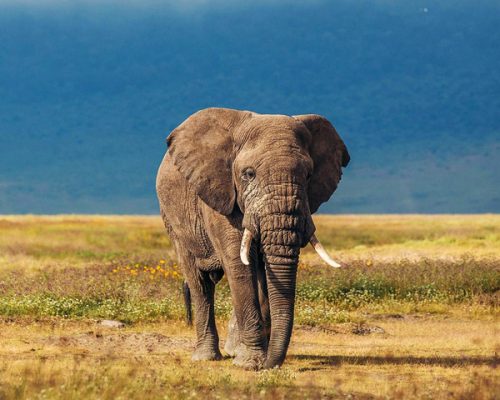
Notably, the park is one of the best places in Tanzania to see large elephant herds at close range. These elephants move freely through forests and open plains, offering unforgettable encounters.
Tree-Climbing Lions of Lake Manyara National Park
Equally famous are the park’s tree-climbing lions. Unlike most lions, they often rest in acacia trees, which creates unique and photogenic sightings.
Other Mammals You May See
In addition, visitors commonly spot buffalo, zebras, wildebeest, giraffes, warthogs, and baboons. Meanwhile, leopards, cheetahs, and hyenas are present but more elusive. Hippos, however, gather reliably in the park’s water pools.
Birdwatching in Lake Manyara National Park
For bird lovers, is a true paradise. The park hosts over 400 bird species, including thousands of flamingos along the lake’s edge. Furthermore, pelicans, storks, kingfishers, and birds of prey thrive here. During the wet season, migratory birds from Europe and Asia significantly increase bird diversity.
Landscapes and Unique Features of Lake Manyara National Park
Groundwater Forest
Firstly, the lush groundwater forest, fed by underground springs, provides a cool and shaded environment. This area is home to blue monkeys, vervet monkeys, and large baboon troops.
Open Grasslands and Acacia Woodlands
Beyond the forest, open grasslands and acacia woodlands dominate. These habitats are ideal for spotting giraffes, antelopes, and tree-climbing lions.
Lake Manyara Soda Lake
Covering much of the park, Lake Manyara is a shallow alkaline lake. Consequently, it becomes a major feeding ground for flamingos and waterbirds, especially during the wet season.
Great Rift Valley Escarpment
Rising dramatically above the park, the Great Rift Valley escarpment forms a spectacular backdrop. From here, visitors enjoy sweeping views of the lake and plains below.
Best Time to Visit Lake Manyara National Park
Dry Season (June – October): Best for large mammals, as animals gather near water sources.
Wet Season (November – May): Ideal for birdwatching, with lush landscapes and abundant migratory birds.
Top Activities in Lake Manyara National Park
Firstly, game drives allow exploration of diverse ecosystems in a single day. Secondly, birdwatching peaks between November and April. Additionally, seasonal canoeing offers close encounters with birds and hippos. Cultural visits to Mto wa Mbu Village provide insight into local life. Uniquely, Lake Manyara also offers night game drives, revealing nocturnal wildlife. Finally, the treetop canopy walkway offers a fresh perspective above the forest floor.
Where to Stay Near Lake Manyara National Park
Accommodation options range from budget campsites to luxury lodges, both inside and outside the park. Therefore, Lake Manyara suits all travel styles and budgets.
Why Visit Lake Manyara National Park?
In conclusion, is ideal for short safaris, offers diverse ecosystems, features rare activities like night drives, and ranks among Tanzania’s best destinations for elephants and birdlife.


Let us exceed your expectations and create memories that will last a lifetime.
Book your safari with Africa Joy Tours and start an adventure you’ll cherish forever.